Dr. Kimberly S. Clay: “Belonging changes everything”
By Dr. Kimberly S. Clay | November 2 2026
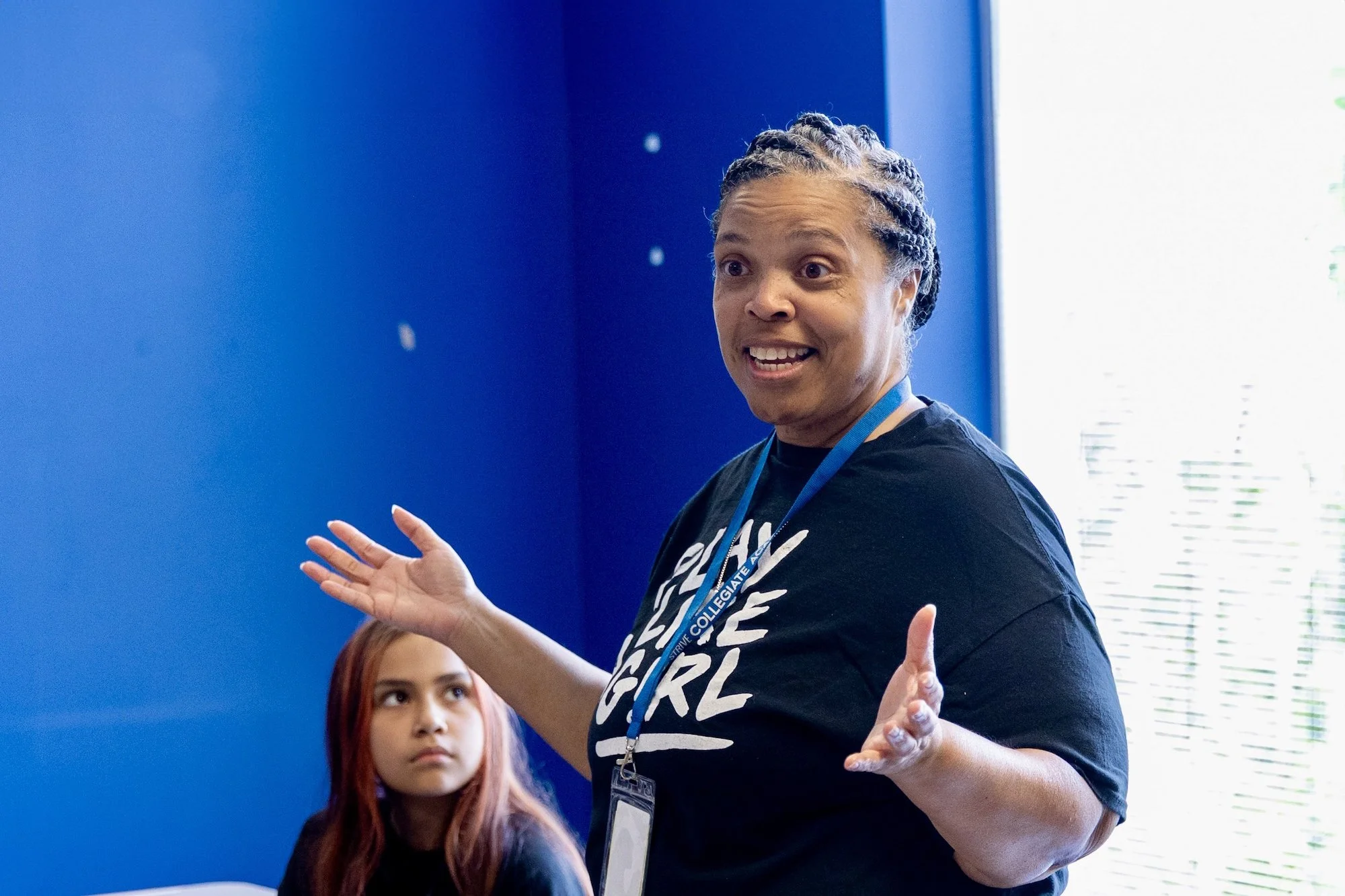
Dr. Kimberly S. Clay is the founder and CEO of Play Like a Girl, a Nashville-based national nonprofit helping girls build the confidence, connections, and career readiness to succeed in any field—through sports, mentorship, and hands-on STEM experiences. For Dr. Kim, the mission is personal. She grew up in Mississippi learning that opportunity and belonging weren’t equally available. This is her story.
There’s a “Whites Only” placard from a Nashville public pool that hangs in my pool bathroom. When my developer, a white man, came into my house and saw it, he was devastated.
“Why would you hang this?”
I said, “It’s a great conversation starter because my husband and I grew up in Mississippi at a time when, even though legal segregation had ended, discriminatory practices continued at swimming pools, golf courses, and other public facilities. There were places where Black families still weren’t welcome or didn’t have the same access. I keep that placard as a reminder for my children of the history that shaped our lives and the opportunities and privileges they have today.”
I’m only fifty. It’s not like I grew up in the civil rights era. But even as a child I knew there were things I wouldn’t get to do because of my skin color.
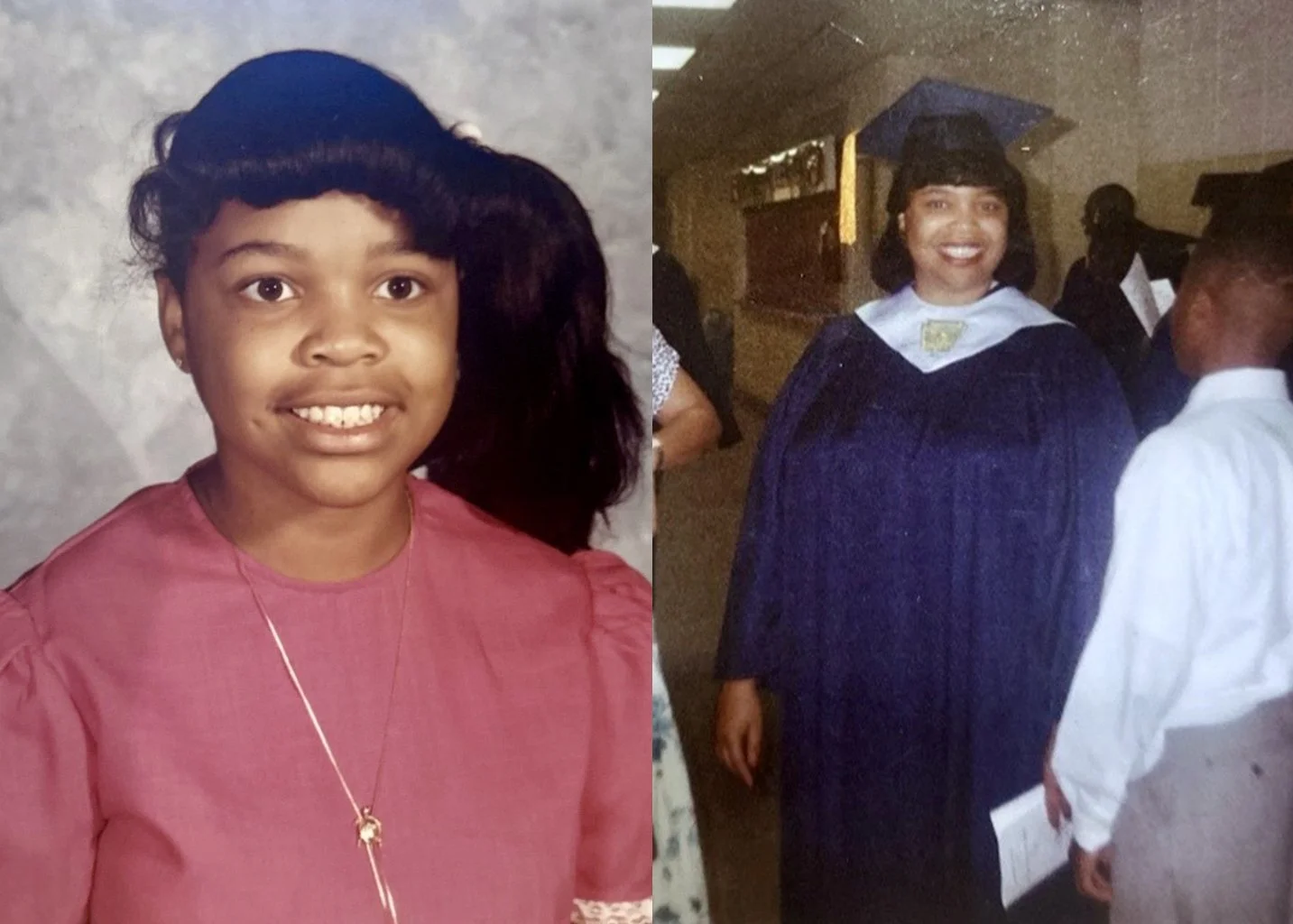
The moment that became really clear was in my ninth-grade year. I was always a stellar student—AP and honors programs. That year, I was told by my Honors English teacher—she happened to be an older white woman—that I was a horrible writer and that I would never go anywhere in my career and in my future. At the time, I had my own column in the state newspaper and would go on to major in mass communication at Xavier University.
So that was the first incident.
The second was when I received a state award from the Teachers Association. That same teacher made a phone call miles away to somehow interfere with the scholarship. It had nothing to do with our school or any other student that had applied—she didn’t want me to have it.
At that point, I was pretty convinced—as much as I love my home and my family and my community—if I had stayed in Mississippi, my very soul would have died.
There were so many more experiences just like that, that you wake up to the reality that this is not where you belong. There has to be something and somewhere better.
And I knew education was the way out.
****
I am the middle of five. The first girl. The uniquely responsible one. I grew up in a generally close-knit, middle-class family in Batesville, Mississippi. My mom to this day is very active in her church and community, which is where I saw service and giving modeled.
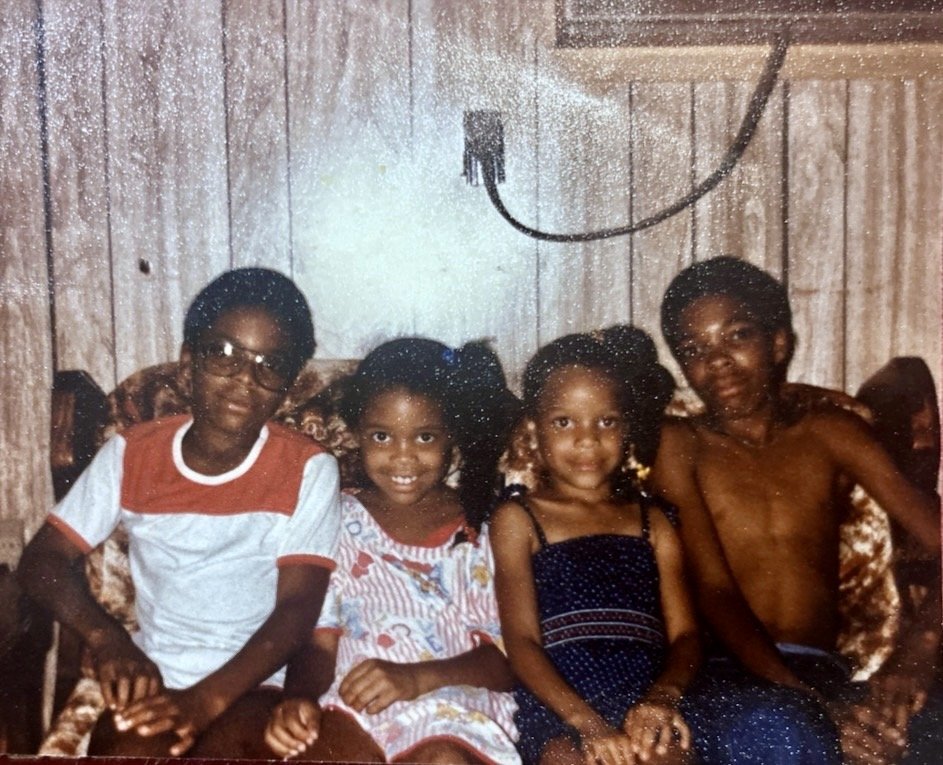
Mississippi is probably the state with the worst reputation for race affairs. The reality is that we coexisted, Blacks and whites—we got along and we had community, but we knew there was a divide. We knew there were certain roads we couldn’t drive down. Certain environments we couldn’t be found in.
Just this year, a young man died by drowning on the fourth of July here, the only Black with a group of white teens. For the rest of the world, maybe that means nothing. In Mississippi it’s expected.
But I also grew up knowing that progress was possible. Mississippi is the cradle of the civil rights movement.
A few weeks before his assassination in 1968, Dr. Martin Luther King Jr. visited my hometown of Batesville as part of his final trip through the state, rallying support for the Poor People’s Campaign. My mother, Effie Sledge, was part of that generation of young people who challenged segregation through protest and civil disobedience. Her courage, and the sacrifices she made, shaped my understanding of what it means to stand up for justice.
I share that because the air had always been heavy in terms of my experience and where I lived—so it was always present for me that we didn’t have to live this way. I believed that in my spirit.
And also that progress didn’t mean the work was done.
****
The year I left home to attend Xavier University of Louisiana, New Orleans made headlines as the murder capital of the world. My husband and I joke that we were the most foolish people ever because we walked the streets of the city and never feared for our safety at all.
But I’ll tell you, going to Xavier was the one defining decision in my life.
Xavier has a remarkable legacy of preparing Black students for careers in medicine, science, pharmacy, and other fields where representation matters. That legacy mattered.
But for me, its greatest gift was something even more fundamental: belonging.
At Xavier, I was surrounded by Black excellence. I saw people who looked like me becoming physicians, scientists, researchers, and leaders. Those careers weren’t distant possibilities anymore. They were part of my everyday experience.
My husband and I met there. Both of our sons followed in our footsteps. And so many of the people who have shaped our lives and our children’s lives are part of that same Xavier community.
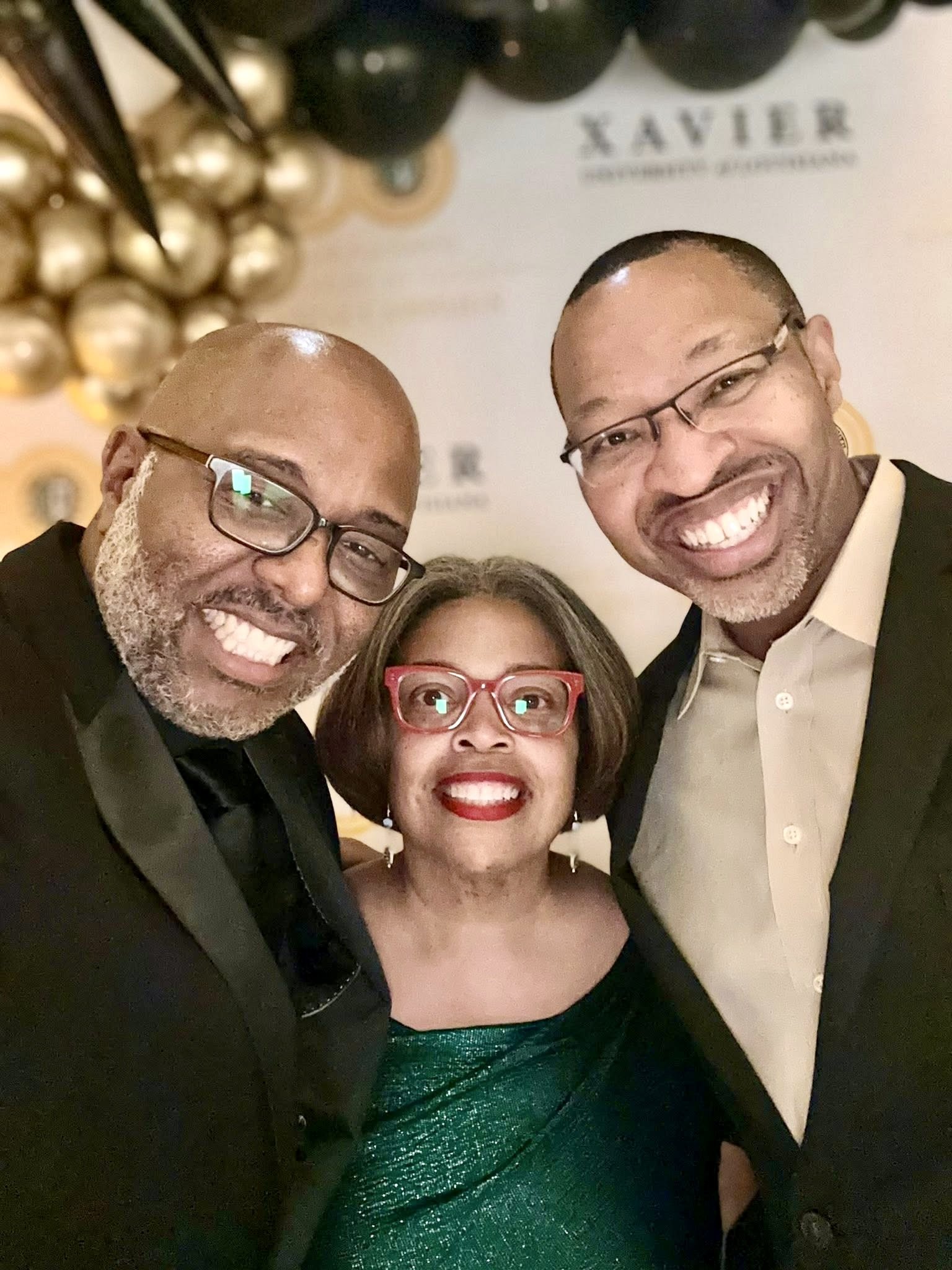
Xavier helped unlock the gifts that God had placed in each of us and gave us the confidence to carry those gifts into the world. We belonged in those spaces. We were equipped to be there. And we didn’t have to explain our presence.
It was a reckoning of belonging.
That’s the kind of experience I want every girl in Play Like a Girl to have. I want her to see what’s possible, meet people who can help her get there, and know she belongs long before she ever walks into the room.
****
I founded Play Like a Girl in 2004 while pursuing my doctorate at the University of Alabama at Birmingham. We started by creating opportunities for girls to be physically active, play sports, and experience the joy of movement.
But as our work grew, I began to see something bigger.
Sports weren’t just helping girls become healthier. They were teaching girls how to take risks, work with others, lead under pressure, recover from setbacks, and keep going when things got hard.
Research from Ernst & Young and espnW reinforced what we were seeing. Their study found that 94% of women in C-suite positions had played sports, including 52% who had participated at the university level.
What stayed with me wasn’t simply how many successful women had played sports. It was what they had learned from playing.
Research shows that as early as age five or six, girls start to self-doubt. Ultimately, the fear of failure paralyzes girls and then they choose not to do hard things.
In sports, somebody has to win, someone has to lose, and you are supposed to learn from the losses so that you get better. The women in the report cited the magical power of failure to fuel success.
I realized we could use sport to prepare girls for opportunities far beyond the playing field, particularly in industries where women are still underrepresented.
That’s how our work evolved. Sports became the starting point, mentorship became the bridge, and career exploration became a way to help girls imagine and prepare for futures they might never have considered.
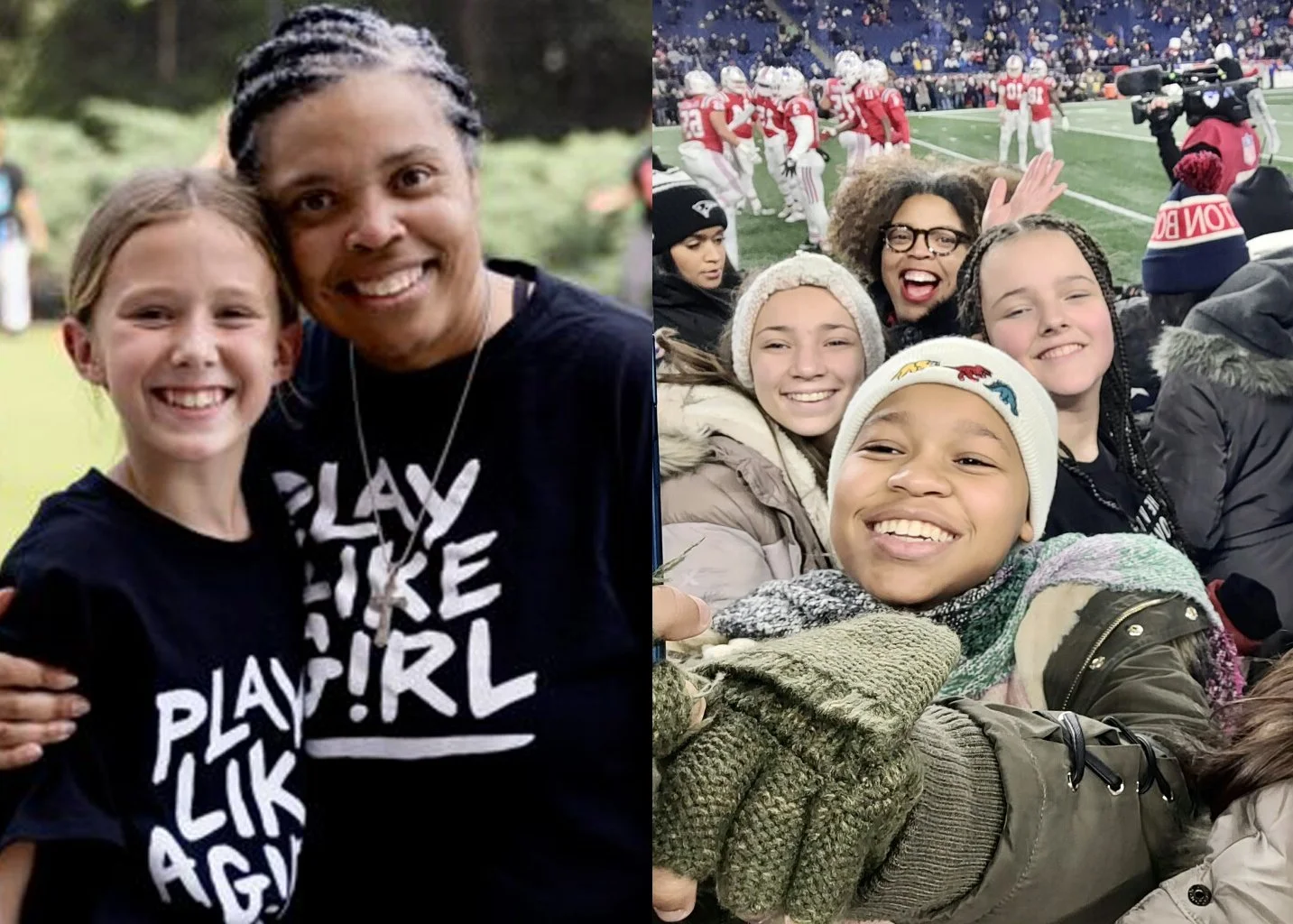
In 2012, ESPN invited us to its Women in Sports Summit and gave us our first national grant—and a platform. I challenged our board to connect what girls learn on the field to long-term education and career paths, especially in STEM.
But our goal isn’t to turn every girl into a scientist or engineer. It’s to prepare every girl to succeed in whatever field she chooses, especially in environments where she may be one of very few women.
****
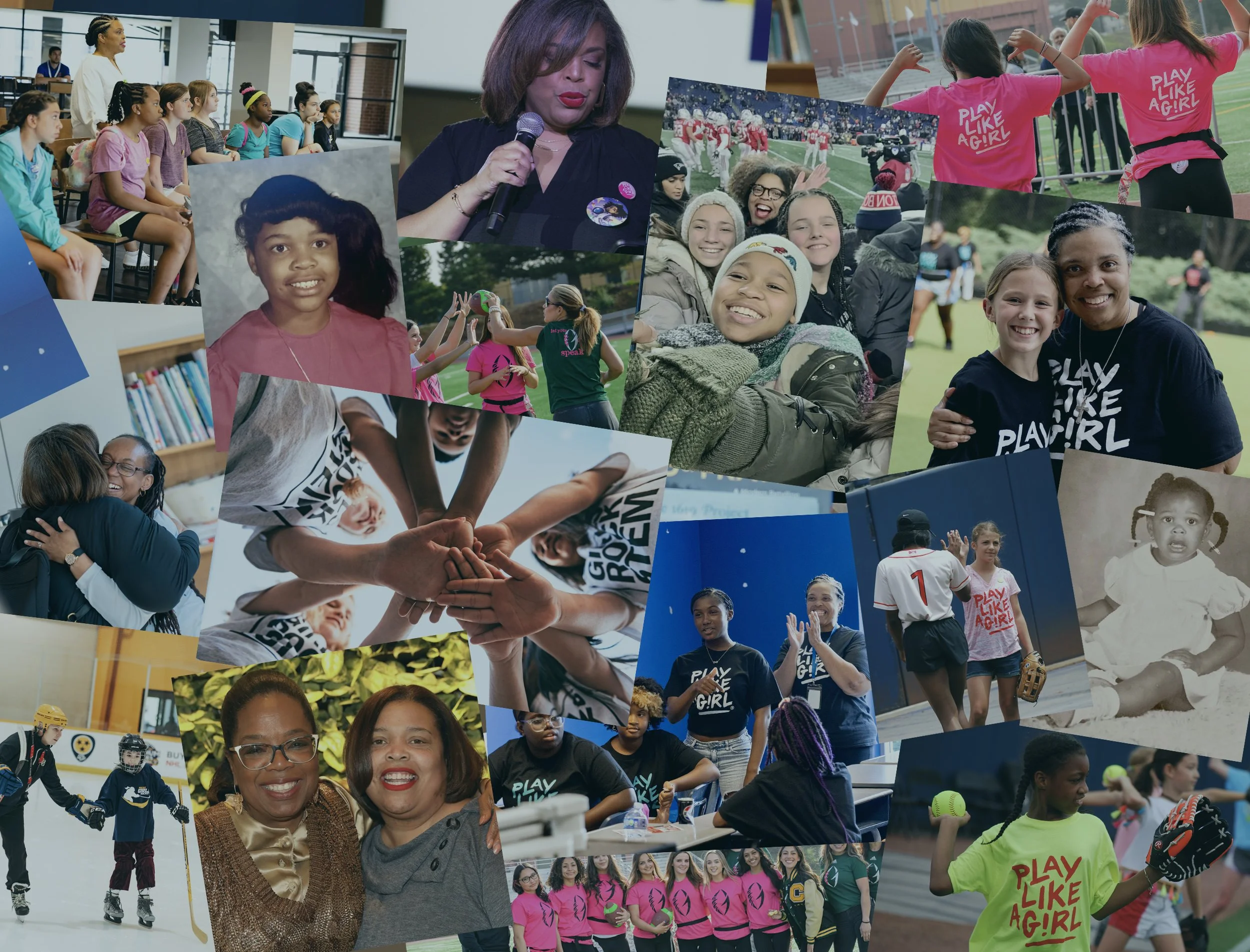
Today, Play Like a Girl works with middle school girls at a critical stage in their development, when their confidence, sense of belonging, and ideas about their futures are still taking shape. We’ve reached 50,000 girls to date.
Our programs bring together sports, mentorship, and hands-on STEM experiences. Girls meet women and men from industries they may know little about. They visit workplaces, solve real-world challenges, try new sports, and discover careers they may never have imagined.
And we believe every touchpoint is a mentoring moment.
Sometimes that means a girl meeting an engineer for the first time. Sometimes it’s simply having an adult look her in the eye and tell her, “You can do this.”
We organize our work around three things: confidence, connection, and careers. Because it’s not enough to tell girls they can be anything. We have to help them believe it, introduce them to people who can show them what’s possible, and give them opportunities to practice the skills they’ll need to get there.
That’s how we turn the lessons learned through sports into preparation for life.
****
It’s been decades since I lived in Mississippi. But my experience growing up there continues to shape how I see the world and why this work matters so deeply to me.
Gender, like race, can still determine who gets access, who feels welcome, and who is given the opportunity to lead.
I believe those of us who have found our way into spaces where others have been excluded have a responsibility to bring others with us. I often say it’s not just about getting into the room. It’s about who we bring along. And if we can’t make a seat for someone else, sometimes we have to bend our backs and become the seat.
That’s what drives me.
I don’t want the next generation of girls to spend their lives wondering whether they belong. I want them to grow up knowing that their voices matter, their contributions have value, and their futures are not limited by someone else’s expectations.
And I believe sports can help us get there.
On a team, girls learn to trust one another. They discover strengths they didn’t know they had. They learn to work across differences, recover from disappointment, and celebrate one another’s victories.
Those lessons don’t end when the game is over. They follow girls into classrooms, boardrooms, laboratories, and every other place they’ll go.
Gender can divide us. But sport is the great unifier.
Help the Next Generation of Girls Know They Belong
Every girl deserves the confidence to try, the connections to grow, and the opportunity to pursue a future without limits.
Join Play Like a Girl in preparing the next generation of young women to lead and thrive.
Become a Mentor: Share your story, career journey, and experience to help girls discover what’s possible. No special expertise required.
Join the We Got You Crew: Make a lasting impact with a monthly gift of $50 to support year-round opportunities for girls.
Become a Corporate Partner: Invest in programs that connect girls with mentors, real-world career experiences, and the skills to succeed in any field.
Get involved at iplaylikeagirl.org.